ปลานกฮูก
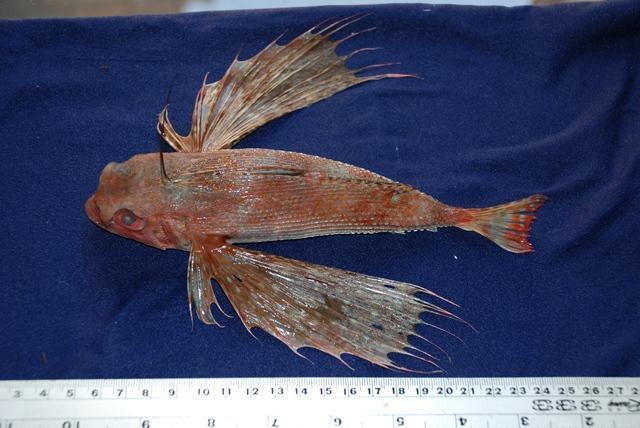
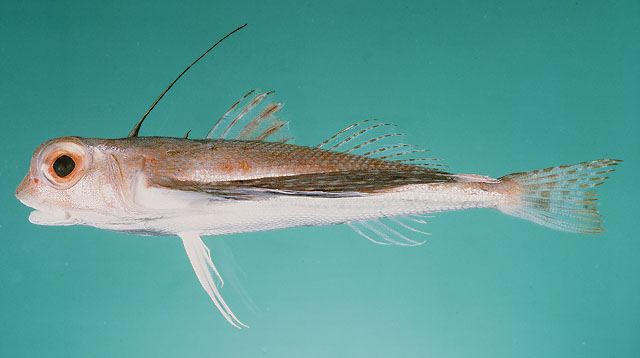
เหตุผลที่เรียกอย่างงั้น เพราะ มีตาโต และ ครีบหูที่ขยายออก ปลาชยนิดนี้มีครีบอกที่ปรับเป็นขา ช่วยเดินไปตาพื้นทะเลได้ครับ เมื่อตกใจจะกางครีบหูอกหกว้างขึ้น จะเห็นจุดสีดำขนาดใหญ่เปรียบเสมือนดวงตา เพื่อ ใช้ขู่ศัตรู โดยทั่วไปปลากลุ่มนี้มักถูกจับโดยการประมงน้ำลึก
Distribution: tropical Indo-Pacific and Atlantic. Benthic. Head large and blunt, with the bones forming a helmet; with keels and a long preopercle spine. Scales scute-like. Pectoral fins greatly enlarged, the inner rays free; total 28-37 rays. Two isolated dorsal spines preceeding the two dorsal fins. Thoracic pelvic fins; with 1 spine and 4 soft rays. Lateral line absent. Vertebrae 22. Reaches about 50 cm maximum length. Bears superficial resemblance to triglids; creates sounds by stridulation using the hypomandibular bone. Exhibits a 'walking' movement on the sea floor, accomplished by an alternate movement of the pelvic fins. Feed on sand-dwelling invertebrates. Xenocephalus armatus, the armored blenny from New Ireland, formerly placed in its own family, may belong here.
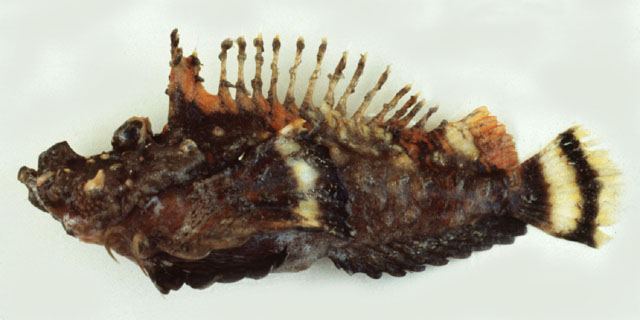
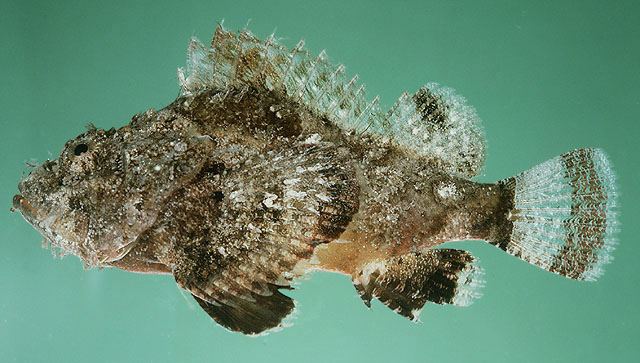
ปลากะรังหัวโขน ปลาหิน
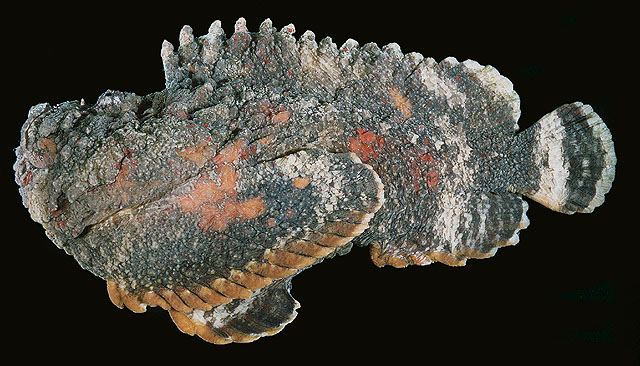
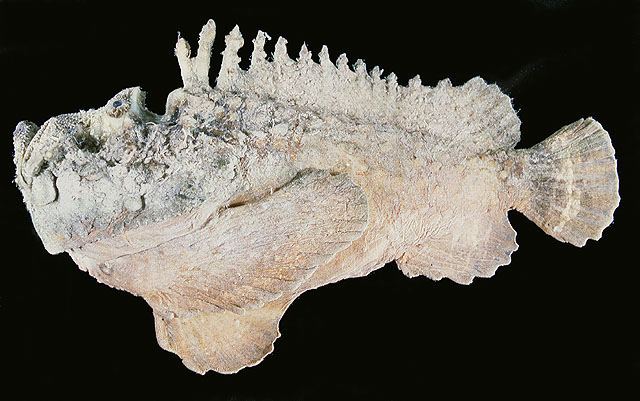
ปลากลุ่มนี้จะอาศัยอยู่ในแนวปะการังน้ำตื้น มักอยู่นิ่งเหมือนก้อนหินคอยกินปลาเล็กเป็นอาหาร เมื่อถูกคุกคาม จะใช้หนามพิษที่ครีบหลัง ป้องกันตัว พิษรุนแรงมากอาจทำให้คนเสียชีวิตได้เลยครับ แต่ บ้านเราไม่เคยเจอแต่มีในต่างประเทศ
Distribution: Indo-Pacific. No free pectoral rays; skin glands present, appearing as 'warts' in most species; dorsal fin with 11-17 spines and 4-14 soft rays; anal fin with 2-4 spines and 4-14 soft rays; pelvic fin with one spine and 3-5 soft rays; pectoral fin rays 11-10; vertebrae 23-30. Venom glands present near base of hypodermiclike dorsal fin spines. The neurotoxin of these fishes is the most deadly of the fish venoms and can be fatal to humans. Species camouflage as rocks. Mainly marine, but some species are known from rivers. We include here Nelson's (1994) Minoinae and Choridactylinae.




 )
)



 )
)

 )
)

 )
)
 )
)


